
Ecommerce Growth Strategies for 2026
Growth in 2026 Demands a Different Playbook
The growth playbook that worked in 2020 and 2021 relied on cheap paid traffic and a wave of first-time online shoppers with nowhere else to spend. That era is over. In 2026, sustainable ecommerce growth requires a more sophisticated approach that prioritizes lifetime value, community, and operational efficiency over raw customer acquisition.
Retention as the primary growth lever
The most consistent finding across ecommerce businesses performing well in 2026 is a deliberate focus on retention. Acquiring a new customer costs five to seven times more than retaining an existing one, and in a high-CPM environment, the math increasingly favors investing in post-purchase experience, loyalty programs, and CRM strategy over top-of-funnel spend. Brands that have built strong retention infrastructure report steadier revenue curves, lower volatility during market disruptions, and significantly higher margins.
Community as a moat
Community building has emerged as one of the most durable competitive advantages in ecommerce. Brands that create spaces for customers to connect, share experiences, and engage with the brand beyond transactions generate organic word-of-mouth that no paid channel can fully replicate. Whether through private groups, ambassador programs, or live events, community creates switching costs that competitors cannot easily overcome.
Cross-border as a growth multiplier
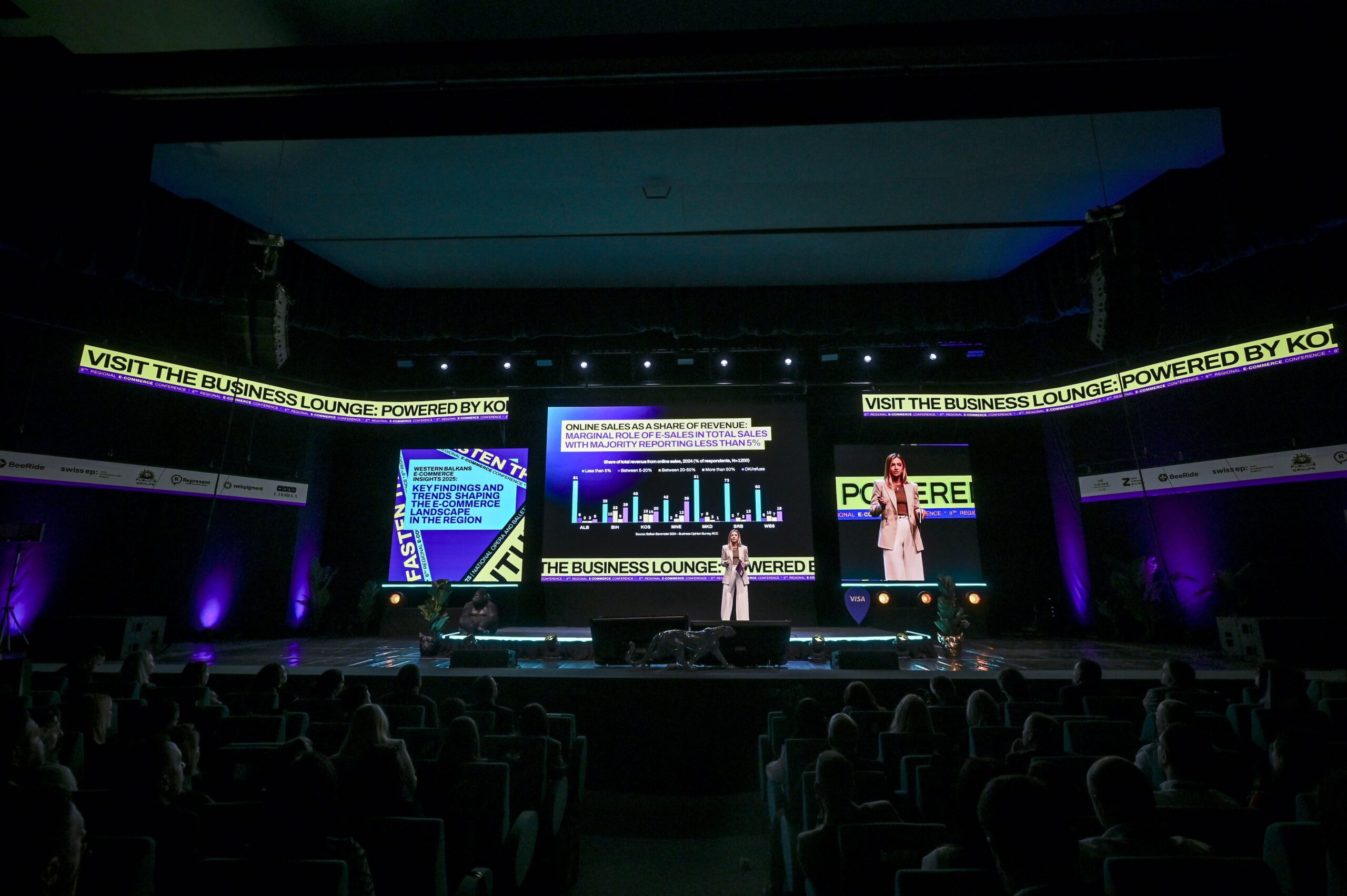
For regional brands that have reached saturation in their home market, cross-border expansion within the Balkans and Southeast Europe represents a significant untapped opportunity. The infrastructure barriers are lower than ever, and consumer confidence in cross-border purchasing is at record highs. Brands that move early into adjacent markets gain first-mover advantages in search rankings, brand recognition, and local partnerships that make subsequent competitors’ entries significantly harder.